In the team final article in this series I want to look in a bit more detail at the sort of structural changes that might make the dependencies of risk taking, learning and growth easier to craft into a virtuous cycle. I've already talked about how putting effort into building a team climate of psychological safety could be a worthwhile effort, but what else can we do?
One of my key recommendations for many client companies, before, during or after a learning intervention, is for them to consider what steps they could take to raise the profile of learning in their organisation. I'm not talking here about 'selling' the programmes of learning available, but making learning an additional lens through which the performance of individuals, teams and the whole organisation could be inspected. We set performance goals at every level - but is there an opportunity to supplement these conventional measures with more learning-oriented KPI's? For me the end of a project is an ideal opportunity to do this; define and review the performance metrics, but also ask "What did we learn?" and "When we implement this learning going forward what results will we use to measure its value?"
I believe an organisation where every individual is aware of what they are supposed to be learning, as well as what they are supposed to be doing, is a growth-oriented organisation. Couple this with the openness that is generated by a conscious drive towards a climate of psychological safety and it becomes easy for skills, knowledge and attitudes to be transferred between teams and individuals. Putting work into encouraging permeable team boundaries makes inter-team learning an organisational norm and extends the intra-team culture beyond the parameters of the organisational chart.
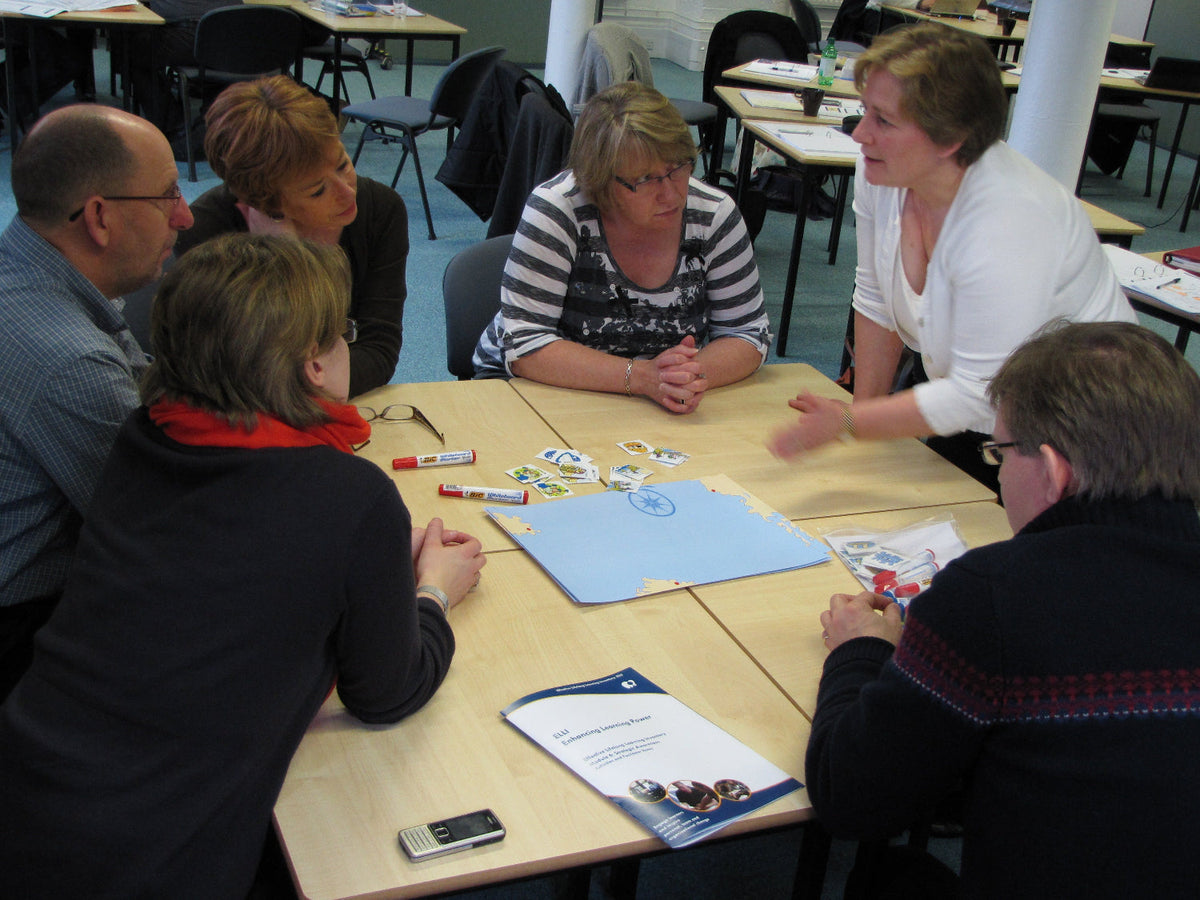
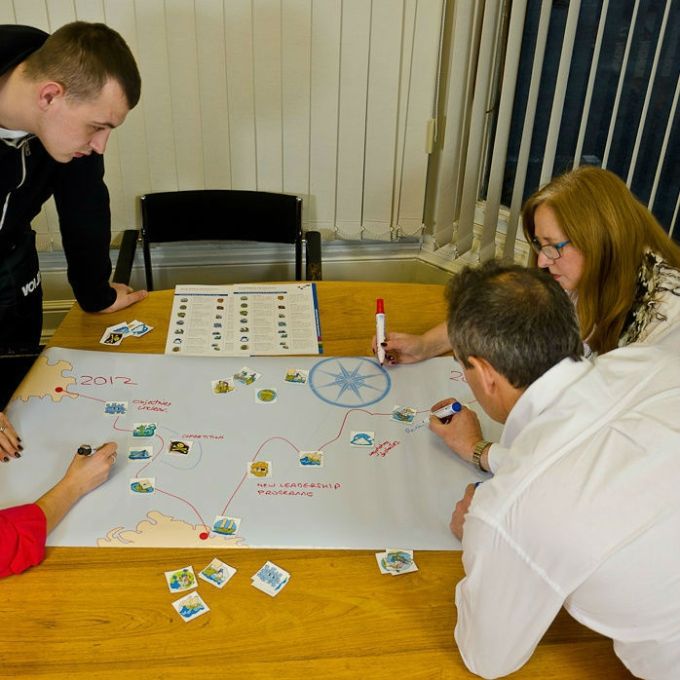
Of course all of this needs a particular style and calibre of leadership, but that too can be built and encouraged. Business leaders make the decisions, but shared decision making processes build trust and with it the mutually supportive cycle of risk taking, learning and growth. A decision taken behind C-suite closed doors will feel very different to the employees expected to implement it than a decision shared experientially through a tool such as Voyage Mapping. The reasons being that much of the required learning will have been encompassed in the decision making process, as will many of the reasons for resistance to the changes implied. People will have seen the big-picture that has driven the change as well as the implications that are specific to their roles. The process itself has risks that need to be considered and managed, but these tend to be smaller risks than those that would result from a poor decision, communicated poorly, and without the buy-in of a motivated workforce.
There's a lot more we can do to have people think about learning and re-frame failure. Luckily the conversations needed are easily accessed through a programme built around experiential activities. Please do get in touch if you feel this something RSVP Design would be able to help you with.