

I wrote in the last article about perceptions of success and failure in teams who are challenged with engaging experiential activities. The behaviours that become evident when a team decides that it has been 'successful', or has 'failed' are rich material for developmental reviews. It's very hard to hide emotions such as deflation or annoyance so trying to eliminate or disguise the signs is probably a waste of time, while asking a team not to over celebrate might backfire. So what becomes important for the facilitator, and the team, is to consider what happens next - what's beyond the anger or elation? The answer may well be along the lines of how do you avoid the problems or mistakes in future.
It's here that coaching across team members is a powerful force in building team resilience. If it is considered that an individual, sub-group, or the whole team has failed at something what can be done to find a way of reducing the risk of this happening again. A coaching approach of avoiding judgemental statements and instead asking open questions is the most likely to succeed here.
-
What led to the lack of success?
-
What were the warning signs that it might happen?
-
What alternatives do you/we have?
-
What has made it less of a problem than it might have been?
-
What might you/we try in future?
Coaching a team into taking the time to reflect, and being able to ask themselves these questions, is a massive positive in building their individual and collective resilience. It needs a facilitator that is competent in coaching theory and practice, but the benefits of structuring sessions that include coaching skills-building is possibly the biggest boost to a team's resilience.
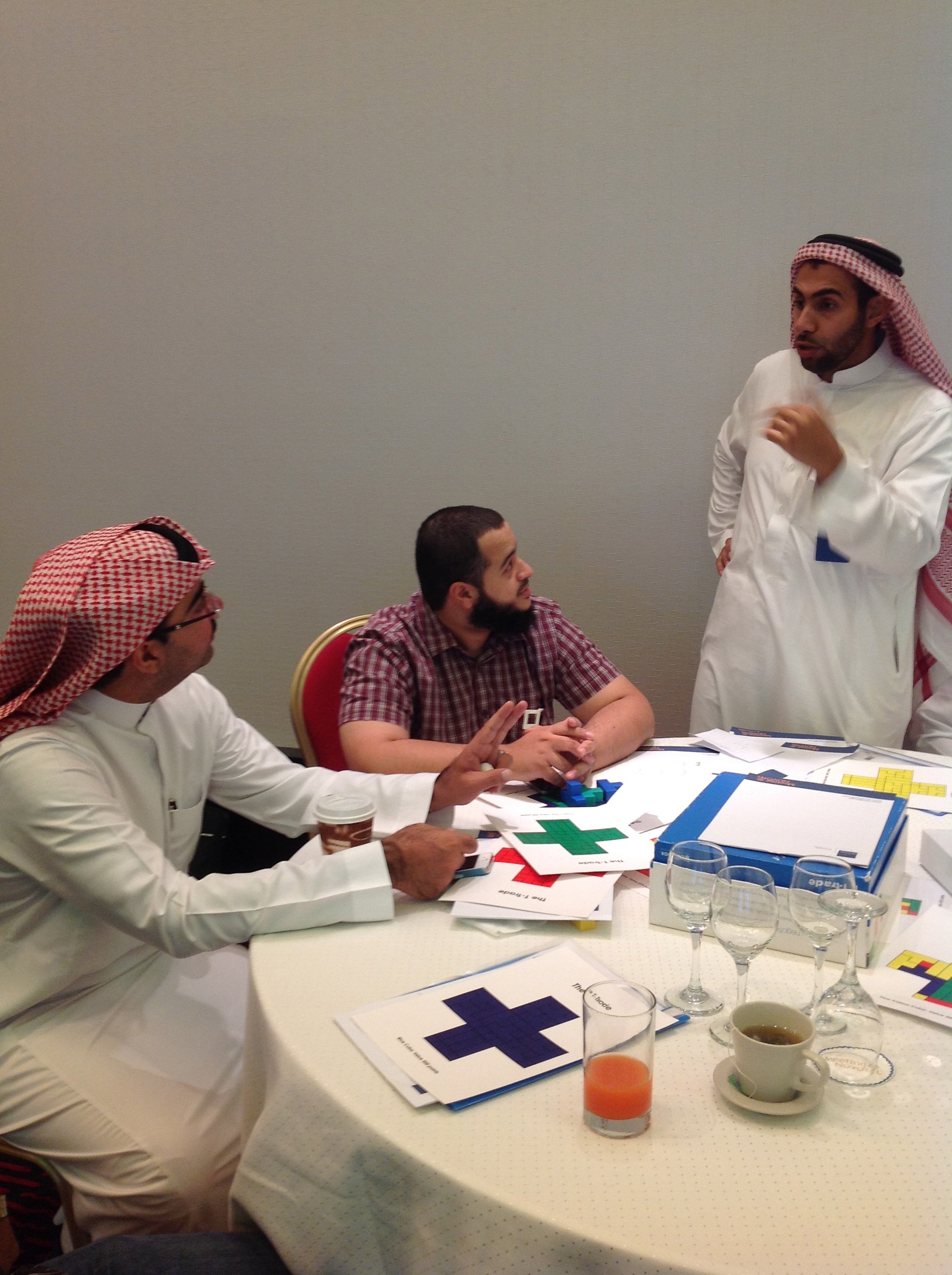
T-trade offers a good platform for making this happen - we've often used video of the group working and interacting to give us examples of good, and not so good practice.
Reversal is another good choice here, particularly if you're looking for the team to recognise that they are all individuals and each person has different skills and abilities that can be used appropriately; "horses for courses" as we say.
I hope that this series of posts has given you some ideas about using experiential content to build resilience in teams and individuals. Look out for our August posts on considered risk taking, looking at why it matters and how experiential learning can help people develop sound judgement and confidence.


